

Real Results: What to Expect
If you’re adding cinnamon to your diabetes management routine, here’s what realistic expectations look like based on research and clinical experience.
Timeline for results:
Week 1-2: Initial effects
- May notice slightly more stable blood sugar throughout the day
- Reduced post-meal blood sugar spikes
- Some people see small decreases in fasting blood sugar
Week 3-6: Noticeable improvements
- Fasting blood sugar typically drops 10-15 points
- More consistent blood sugar readings
- Fewer dramatic highs and lows
- May need less medication (discuss with doctor)
Week 8-12: Full effects
- Maximum blood sugar lowering effect achieved
- Fasting blood sugar may decrease 20-40 mg/dL
- HbA1c may improve 0.5-1% if starting levels were high
- Improved insulin sensitivity becomes measurable
Individual results vary based on:
- Current blood sugar control (worse control = better results)
- Dosage and consistency
- Overall diet quality
- Activity level
- Body weight
- Medication use
- Type of cinnamon used
Real-world examples:
Case 1: Sarah, 58, Type 2 Diabetes
- Starting fasting blood sugar: 145 mg/dL
- After 6 weeks of 1 teaspoon Ceylon cinnamon daily: 118 mg/dL
- Result: 27-point decrease
Case 2: Michael, 62, Pre-diabetic
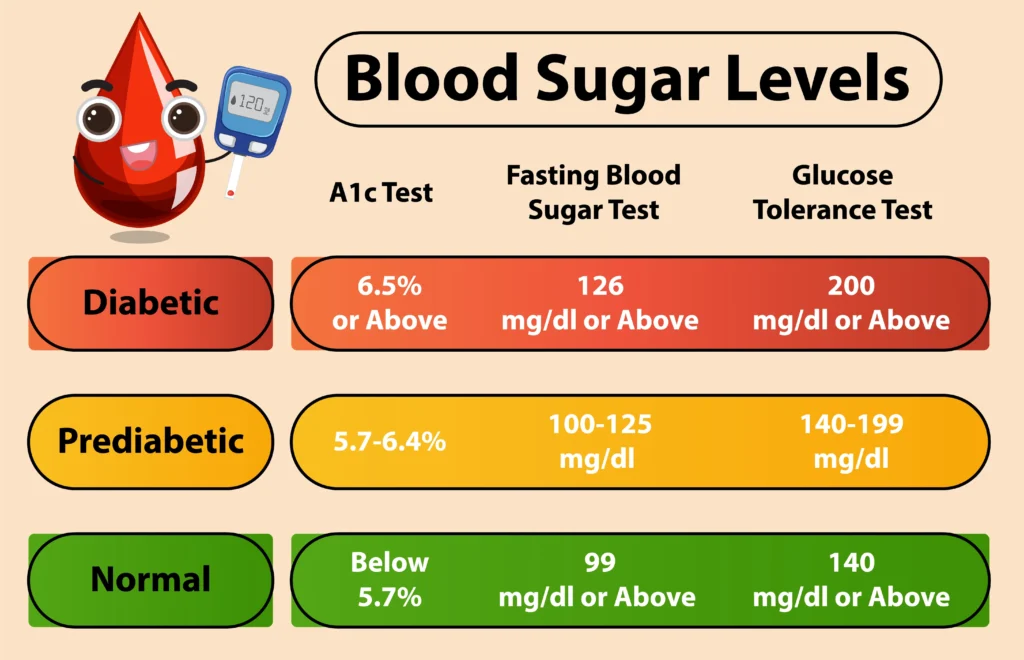
- Starting fasting blood sugar: 115 mg/dL
- After 8 weeks of 1/2 teaspoon daily in coffee: 98 mg/dL
- Result: Moved out of pre-diabetic range
Case 3: Linda, 67, Type 2 Diabetes (on medication)
- Starting HbA1c: 8.2%
- After 12 weeks of consistent cinnamon use: 7.4%
- Result: 0.8% improvement, doctor reduced medication
Important reminder: Individual results vary. Some people respond dramatically; others see modest improvements. The key is consistency and combining cinnamon with overall healthy lifestyle habits.
How to track your progress:
1. Test regularly:
- Check fasting blood sugar daily
- Test 2 hours after meals initially to see cinnamon’s impact
- Keep a log to identify patterns
2. Record your intake:
- Note when and how much cinnamon you consume
- Track alongside blood sugar readings
3. Work with your doctor:
- Share your results at regular checkups
- Monitor HbA1c every 3 months
- Adjust medications as needed
Additional Benefits Beyond Blood Sugar
While blood sugar control is the primary reason to add cinnamon to your diet, research shows this remarkable spice offers numerous other health benefits.
Cardiovascular health:
Lowers LDL (“bad”) cholesterol:
- Studies show 7-27% reduction in LDL
- Particularly effective in people with diabetes
- No negative impact on HDL (“good”) cholesterol
Reduces triglycerides:
- Research demonstrates 23-30% reduction
- Especially beneficial for metabolic syndrome
- Helps reduce cardiovascular disease risk
Lowers blood pressure:
- Modest blood pressure reduction (3-5 mmHg)
- Helpful when combined with other lifestyle changes
- Benefits both systolic and diastolic pressure
Anti-inflammatory effects:
Chronic inflammation is a major factor in diabetes complications. Cinnamon contains powerful anti-inflammatory compounds that:
- Reduce inflammatory markers in the blood
- Decrease oxidative stress
- Protect against cellular damage
- May reduce risk of diabetes complications
Brain health:
Emerging research suggests cinnamon may:
- Improve memory and cognitive function
- Protect against neurodegenerative diseases
- Enhance focus and mental clarity
- Reduce brain inflammation
Weight management:
Cinnamon may support healthy weight loss through:
- Improved insulin sensitivity (reduces fat storage)
- Reduced cravings for sugar
- Increased metabolism
- Better regulation of hunger hormones
Antimicrobial properties:
Cinnamon has natural antibacterial and antifungal properties that:
- Support immune function
- Fight bacterial infections
- Combat fungal overgrowth
- May improve gut health
The compounding effect:
These benefits work synergistically. Better blood sugar control reduces inflammation. Less inflammation improves cardiovascular health. Better heart health increases energy for exercise. More exercise improves blood sugar control. Cinnamon creates a positive health cycle.
Safety Considerations and Who Should Be Cautious
While cinnamon is generally safe for most people, there are important safety considerations to keep in mind.
Who should use cinnamon cautiously:
1. People on diabetes medication:
- Cinnamon can lower blood sugar, potentially causing hypoglycemia when combined with medication
- Monitor blood sugar closely when starting cinnamon
- Work with your doctor to potentially adjust medication dosages
- Never stop or change medication without medical supervision
2. People taking blood thinners:
- Cinnamon (especially Cassia) has mild blood-thinning properties
- May interact with warfarin, aspirin, or other anticoagulants
- Consult your doctor before regular use
3. People with liver disease:
- Cassia cinnamon’s coumarin content can stress the liver
- Ceylon cinnamon is safer but still discuss with your doctor
- Regular liver function tests may be recommended
4. Pregnant or breastfeeding women:
- Small amounts in food are fine
- Large medicinal doses should be avoided
- Cinnamon in high amounts may stimulate the uterus
- Consult your healthcare provider
5. People scheduled for surgery:
- Stop taking cinnamon supplements 2 weeks before surgery
- May affect blood sugar control during and after surgery
- May interact with anesthesia
Potential side effects:
When used appropriately, cinnamon is very safe. However, excessive consumption can cause:
- Mouth sores or irritation (from cinnamon oil)
- Allergic reactions in sensitive individuals
- Digestive upset in some people
- Liver problems (with high doses of Cassia cinnamon long-term)
- Low blood sugar when combined with diabetes medications
Safe practices:
Start slowly: Begin with small amounts (1/4 teaspoon) and gradually increase to assess tolerance.
Choose Ceylon: For daily, long-term use, invest in Ceylon cinnamon to avoid coumarin concerns.
Monitor blood sugar: Test regularly, especially when first starting cinnamon or adjusting doses.
Communicate with healthcare providers: Always inform your doctor about supplements and herbs you’re using.
Don’t replace medication: Cinnamon is complementary to, not a replacement for, prescribed diabetes medications.
Watch for interactions: Be aware that cinnamon may interact with:
- Diabetes medications (metformin, insulin, etc.)
- Blood thinners (warfarin, aspirin)
- Heart medications
- Liver medications
- Antibiotics