
4. Their Face Lights Up When They See You

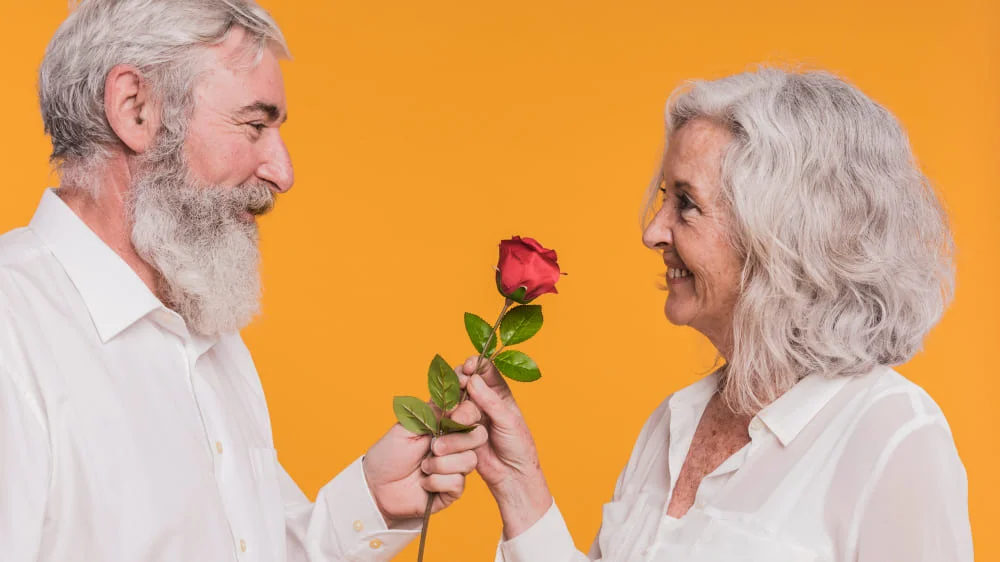
Perhaps the most unmistakable sign of love is the spontaneous, genuine smile that appears when someone sees you—especially if they weren’t expecting to.
What this looks like:
- A genuine, full smile (eyes and mouth both smiling) when they spot you
- Their eyebrows raise slightly in pleasant surprise
- Their entire expression softens and brightens
- This happens even when they’re having a bad day
- You can see the moment they spot you because their face changes
- The smile appears before they have time to “put on” an expression
- Their happiness at seeing you seems involuntary and authentic
The science of genuine smiles: Psychologist Paul Ekman identified the “Duchenne smile”—a genuine smile that involves both the mouth and the muscles around the eyes (creating crow’s feet). This smile is nearly impossible to fake because these eye muscles are controlled by the emotional brain, not the voluntary muscles we use for posed smiles.
When someone truly loves you, seeing you triggers genuine positive emotion that’s reflected in a Duchenne smile. Their brain’s reward centers light up (literally—brain scans show this) when they see you, creating an automatic happy response.
Why it matters: This spontaneous facial response happens before conscious thought. Someone might fake a smile when they see you if they’re trying to be polite, but the genuine flash of joy that crosses the face of someone who loves you happens too quickly to fake.
Comparison point: Think about how your face probably looks when you see:
- Your best friend unexpectedly: genuine joy
- A coworker you tolerate: polite smile
- Someone you’re avoiding: forced or no smile
Now think about how someone’s face looks when they see you. Which category does it fall into?
Additional cues:
- They smile at the sound of your voice (even before seeing you)
- They smile when talking about you to others
- Their resting expression softens when you’re nearby
- Even in photos together, their genuine happiness is visible
What to watch for: If someone’s face remains neutral or shows effort when they see you, or if their smile doesn’t reach their eyes, they may not feel as deeply about you as they claim.
5. They Display Open and Relaxed Body Language
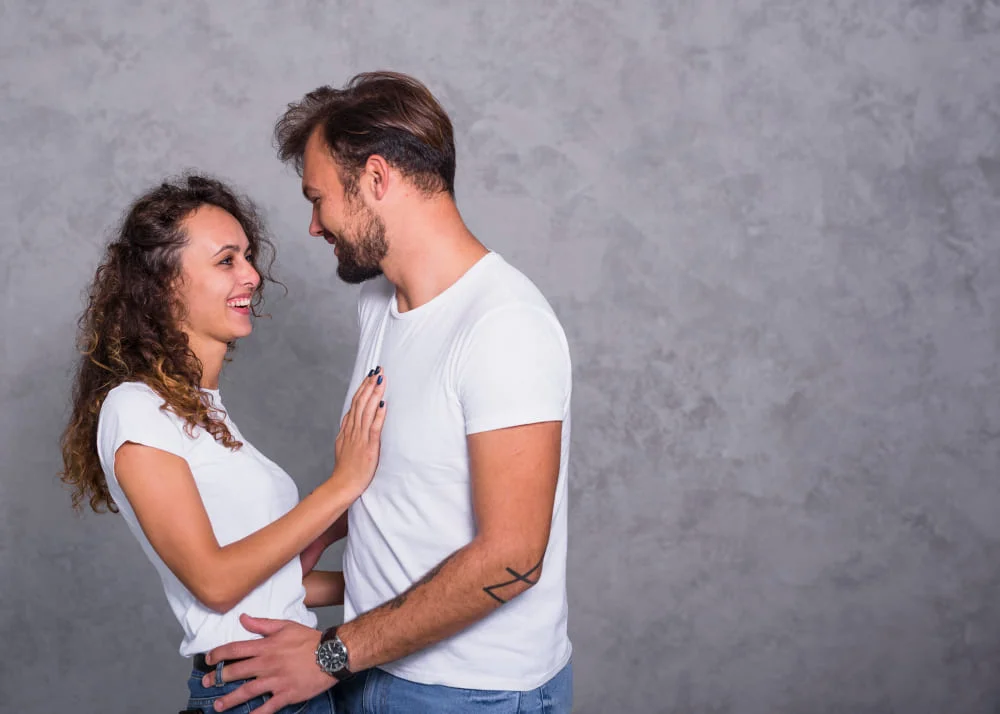
When someone feels safe, comfortable, and genuinely connected to you, their body language becomes open and relaxed. This contrasts sharply with the closed, defensive postures people adopt around those they don’t trust or feel connected to.
Open body language includes:
- Arms relaxed at sides or open (not crossed defensively)
- Shoulders relaxed and facing you
- Neck and throat exposed (sign of vulnerability and trust)
- Palms visible or open (not hidden or clenched)
- Relaxed facial expressions
- Comfortable, natural posture (not stiff or guarded)
- They move naturally and freely around you
- They’re willing to be physically vulnerable (sleeping, being sick, etc.)
The psychology: Our bodies instinctively close off and protect vital areas (chest, throat, abdomen) when we feel threatened or uncomfortable. Conversely, we open up physically when we feel safe. This is controlled by the autonomic nervous system—essentially, your body decides before your mind does whether someone is safe to be vulnerable with.
What closed body language looks like (signs of discomfort or dishonesty):
- Arms crossed over chest
- Body angled away
- Shoulders hunched forward (protective posture)
- Hands in pockets or hidden
- Tight, tense muscles
- Creating physical barriers (holding objects between you)
- Touching or protecting their neck/throat frequently
Why genuine love creates openness: When someone truly loves you, they feel safe being vulnerable in your presence. Their nervous system isn’t on alert; they’re not protecting themselves. This manifests in relaxed, open body language that says “I trust you completely.”
The vulnerability test: Notice how someone carries themselves:
- Do they relax around you or remain guarded?
- Are they comfortable being seen without makeup, or in old clothes?
- Can they fall asleep in your presence?
- Do they share embarrassing stories or admit mistakes easily?
True love allows for authentic vulnerability, which shows in relaxed, open body language.
Context matters: Some people are naturally more guarded due to past experiences. What matters is whether their body language is MORE open with you than with others, and whether it becomes more relaxed over time as trust builds.
6. They Give You Their Undivided Attention
In our distraction-filled world, giving someone your full, undivided attention is a powerful expression of love. When someone truly cares about you, they naturally prioritize you over their devices, other people, and competing activities.
What undivided attention looks like:
- They put their phone away or face-down when talking to you
- They remember details from your conversations
- They ask follow-up questions about things you’ve mentioned
- They don’t interrupt you constantly
- Their mind doesn’t seem to wander when you’re speaking
- They make you feel heard and valued
- They notice changes in your mood or appearance
- They give you time without making you feel like you’re competing for it
The psychology of attention: Attention is a finite resource—we literally cannot fully focus on multiple things simultaneously. When someone chooses to give you their complete attention, they’re making a conscious decision that you matter more than everything else competing for their focus.
Research by psychologists John Gottman and Robert Levenson found that “turning toward” your partner’s bids for attention (rather than turning away or against) is one of the strongest predictors of relationship success. People in love instinctively turn toward each other.
Modern challenges: In the age of smartphones and constant connectivity, genuine attention is increasingly rare—and valuable. Someone who consistently chooses to be present with you, rather than scrolling through their phone, is showing real love and respect.
What inattention signals:
- Constantly checking their phone while you’re talking
- Forgetting important things you’ve told them repeatedly
- Seeming distracted or disengaged during conversations
- Not noticing when something’s bothering you
- Making you feel like you’re interrupting their life
The “phone test”: Notice what happens when:
- You’re telling them something important
- You’re having dinner together
- They’re with you versus with others
- They have “nothing to do” while with you
Someone who loves you will naturally prioritize your presence over digital distractions.
Important note: We all get distracted sometimes, especially during stressful periods. What matters is the overall pattern—do they generally make you feel valued and heard, or consistently distracted and dismissive?
7. They Unconsciously Copy Your Movements
Mirroring—unconsciously copying another person’s body language, speech patterns, or behaviors—is one of the most telling signs of connection and affection. People in love naturally synchronize with each other without realizing they’re doing it.
What mirroring looks like:
- They adopt your posture (you lean in, they lean in)
- They match your speaking pace and tone
- They mirror your hand gestures
- They pick up your phrases or expressions
- They take a sip of their drink after you do
- Their breathing synchronizes with yours
- They start liking things you like
- They unconsciously copy your mannerisms
The science of mirroring: Mirroring is controlled by “mirror neurons” in the brain—neurons that fire both when we perform an action and when we observe someone else performing it. These neurons help us understand and connect with others.
Research shows that we unconsciously mirror people we like, feel connected to, or want to bond with. This mirroring happens automatically in positive relationships and is very difficult to fake convincingly over extended periods.